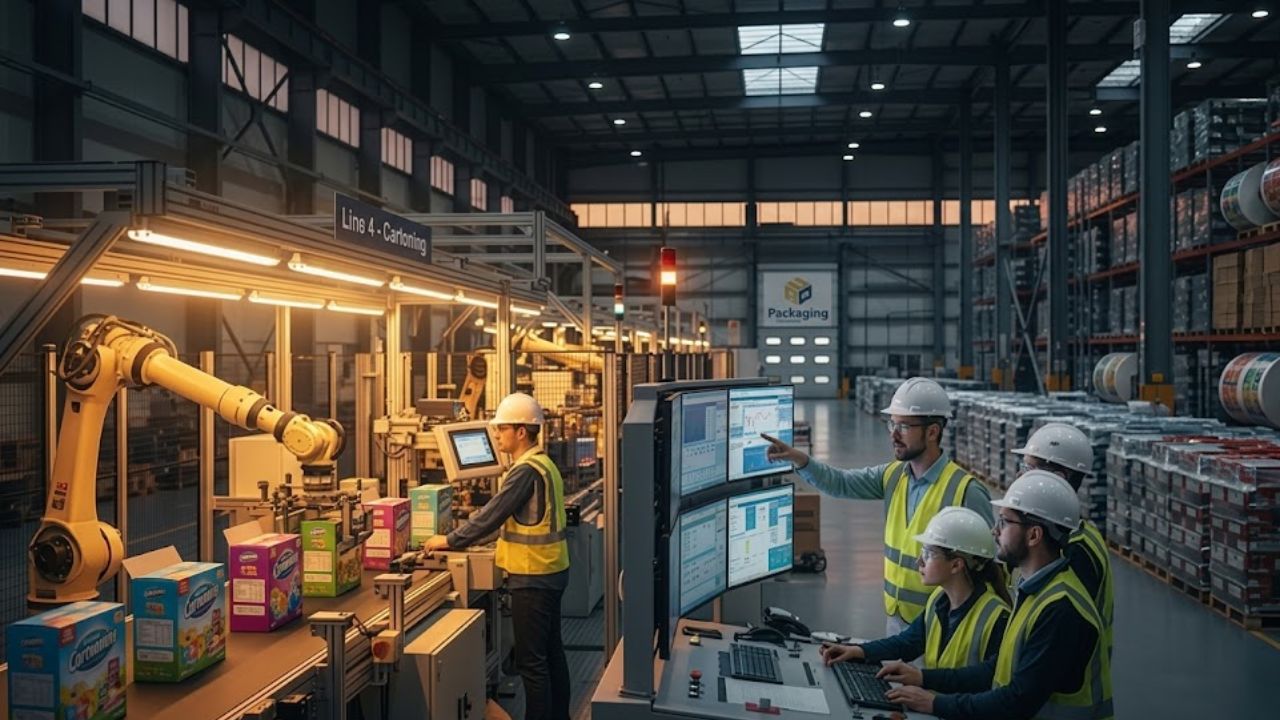
New Zealand’s packaging sector continues to play an important role in the country’s economy, supporting industries such as food production, retail, agriculture, and manufacturing. As demand for packaged goods increases, businesses across the country rely on workers to help prepare, sort, label, and organize products for shipping and distribution.
For English speakers living in or moving to New Zealand, the packaging industry offers a wide range of entry-level and skilled work environments. Many roles focus on teamwork, efficiency, and maintaining quality standards while supporting busy production schedules.
The industry has become especially important as online shopping and international exports continue expanding in 2026.
What Packaging Jobs Usually Involve
Packaging work can include a variety of daily tasks depending on the company and product type. Common responsibilities include assembling products, placing items into boxes, labeling shipments, checking product quality, and preparing goods for transportation.
Some workers operate machinery used for sealing, wrapping, or sorting products, while others focus on manual packing and inventory management. Warehouses and production facilities often require employees to keep workspaces organized and follow strict safety guidelines.

Shifts may vary between daytime, evening, or overnight schedules, especially in large manufacturing facilities that operate around the clock.
Skills Employers Commonly Value
Many packaging positions do not require advanced education, making the field accessible to a wide range of workers. However, employers still look for certain qualities when hiring staff.
Good communication skills in English can be helpful for understanding safety instructions, working with team members, and handling production tasks efficiently. Reliability, punctuality, and attention to detail are also highly valued because packaging work often depends on meeting deadlines and maintaining product quality.
Physical stamina can be important as some roles involve standing for long periods, lifting boxes, or performing repetitive tasks throughout the day.
Experience with warehouse equipment, logistics software, or manufacturing machinery may provide additional career opportunities for workers looking to move into supervisory or technical roles over time.

Work Environment and Industry Conditions
Packaging jobs are commonly found in warehouses, factories, food processing plants, and distribution centers across New Zealand. These environments are usually fast-paced and organized around production targets.
Health and safety rules are taken seriously, especially in industries involving food handling or machinery operation. Workers are often required to wear protective equipment such as gloves, safety shoes, or high-visibility clothing.
Many companies also provide training programs to help new employees understand workplace procedures, equipment handling, and quality standards before starting regular duties.
Why the Sector Appeals to Many Workers
The packaging industry attracts workers because it offers flexible opportunities across different regions and industries. Some people use packaging roles as a starting point for broader careers in logistics, warehousing, or manufacturing.
For English speakers, the sector can also provide valuable workplace experience in New Zealand while building communication and teamwork skills. As businesses continue expanding distribution networks and exports, packaging operations are expected to remain an essential part of the country’s workforce.
Final Thoughts
New Zealand’s packaging sector continues evolving as demand for goods, shipping, and manufacturing services grows. For English speakers interested in practical, team-oriented work environments, the industry offers valuable opportunities to gain experience and develop transferable skills. Understanding the responsibilities, workplace expectations, and industry trends can help individuals decide whether packaging work fits their goals and interests.
