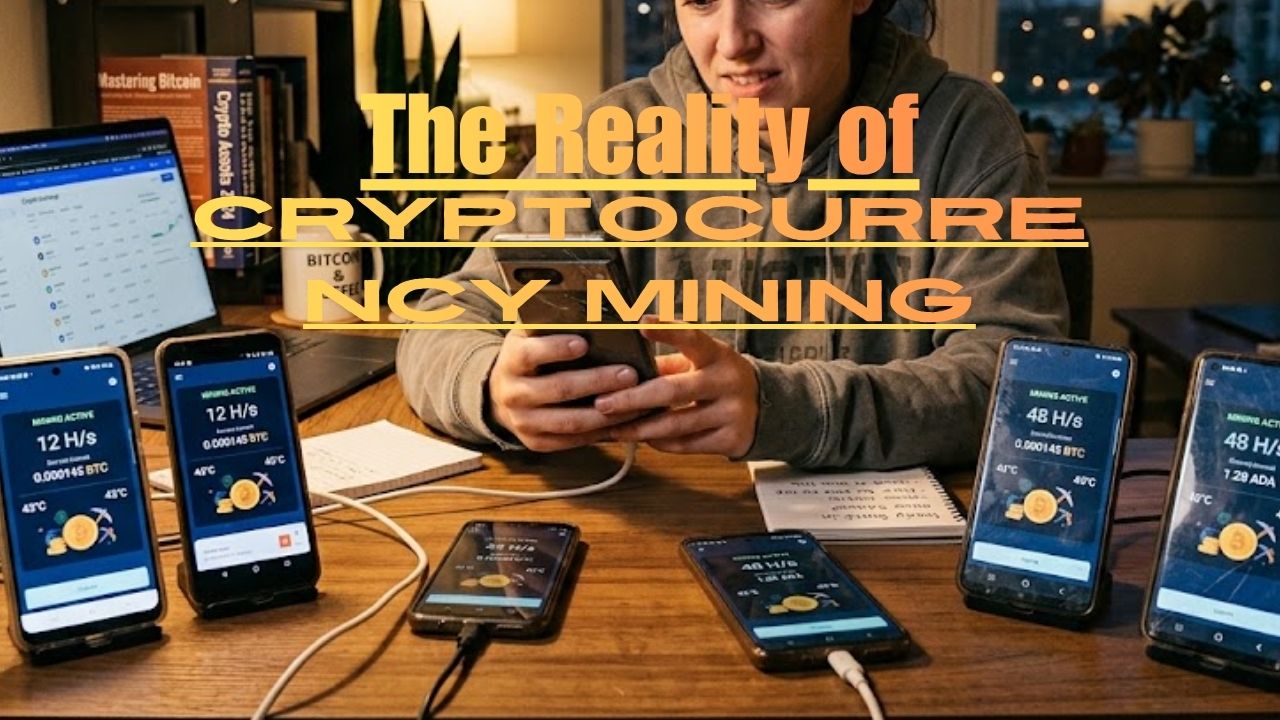
Cryptocurrency mining is usually associated with expensive computers, powerful graphics cards, and massive energy use. But as crypto apps become more popular, many Americans are asking whether a smartphone can really mine digital currency. While mobile crypto mining does exist, the results are often far different from what many users expect.
Today’s smartphones are powerful, but they are not built to handle the heavy processing required for traditional crypto mining. Most mobile mining apps don’t actually mine cryptocurrency directly on the device. Instead, they connect users to cloud-based mining services or reward systems that simulate the mining experience.
How Mobile Crypto Mining Works
Traditional crypto mining involves solving complicated mathematical problems to validate blockchain transactions. Professional miners use specialized machines designed for nonstop processing power. Smartphones simply cannot compete with that level of performance.
Because of these hardware limits, most mobile mining apps use alternative systems. Some apps allow users to rent mining power from remote servers, while others reward users with small amounts of crypto for viewing ads, completing tasks, or checking in daily.
In many cases, the smartphone itself does very little actual mining. Instead, it acts more like a dashboard connected to outside services.
Can You Actually Make Money?
The earning potential from mobile crypto mining is usually very low. Many apps advertise easy profits, but most users only earn a few cents or dollars over long periods of time. For many Americans, the rewards are too small to offset the wear placed on the phone.
Running mining apps constantly can also create problems like overheating, battery damage, and slower device performance. Replacing a battery or upgrading a damaged phone could easily cost more than the crypto earned through mining apps.
That’s why many experts see mobile mining as more of a learning experience than a reliable source of income.
Security and Privacy Concerns
One of the biggest risks of mobile crypto mining involves security. Some apps ask for unnecessary permissions, including access to contacts, photos, files, or location data. Fraudulent apps may secretly collect personal information or install harmful software in the background.
Cybersecurity experts recommend downloading apps only from trusted app stores and researching the developer before installing anything. Fake crypto apps and scams continue to grow as interest in digital currency increases across the U.S.
Users should also be cautious of apps promising guaranteed profits or unusually high returns, since those are common warning signs of scams.
Legal and Tax Rules in the U.S.
Mining cryptocurrency is legal in most parts of the United States, but users may still owe taxes on any earnings. The IRS generally treats mined cryptocurrency as taxable income, even if the value earned is small.
State regulations may also differ depending on the type of crypto platform or cloud mining service being used. Anyone interested in mining should understand local laws and tax responsibilities before getting started.
Final Verdict
Mining cryptocurrency on a smartphone is possible, but it is unlikely to generate significant income for most users. While mobile apps can help beginners explore the crypto world, they also come with risks related to security, privacy, and device damage. For the average person, smartphones are better used for learning about crypto and managing digital assets rather than trying to mine coins directly.
