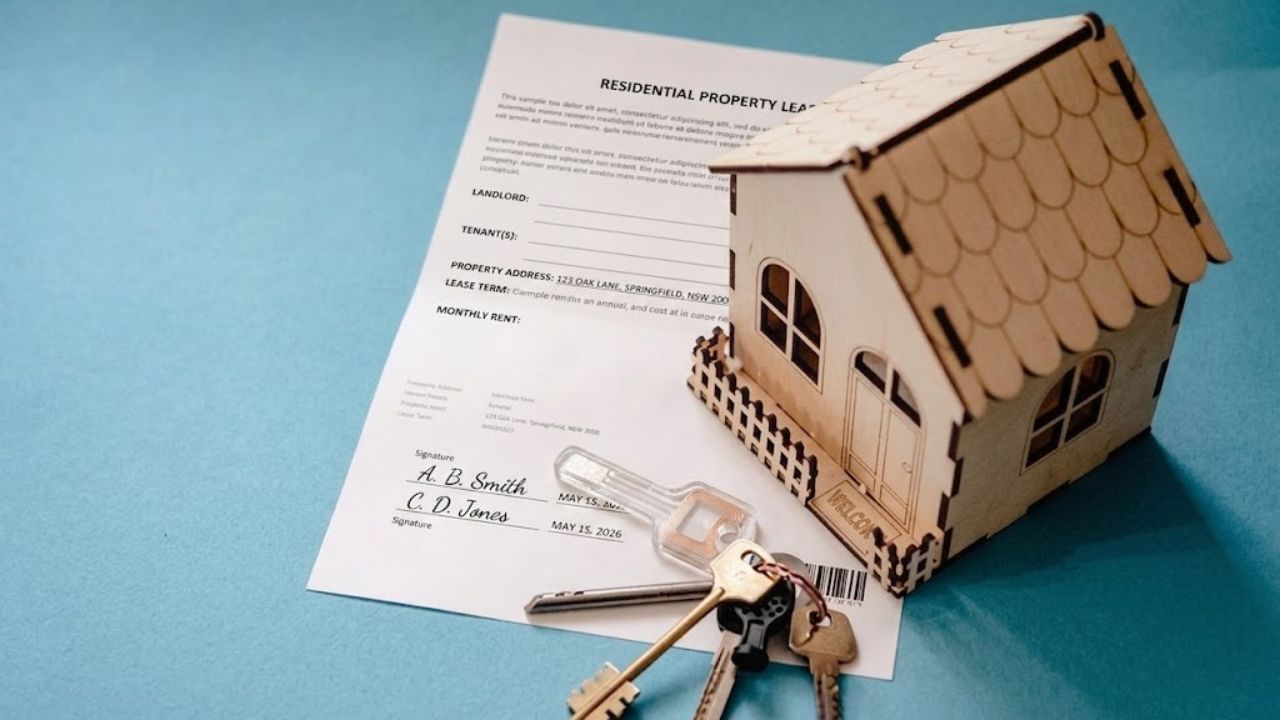
Rent-to-own homes are becoming a popular option in Ireland for people struggling to save for a large mortgage deposit or qualify for traditional home loans. These agreements allow buyers to move into a property while making monthly payments that may later contribute toward purchasing the home. For many households, this creates a more flexible path toward ownership without needing immediate full mortgage approval.
The appeal often comes from lower upfront costs and the chance to lock in a future purchase while continuing to build financial stability. However, understanding the long-term costs and contract details is essential before signing any agreement.
How Monthly Payments Usually Work
In most rent-to-own arrangements, monthly payments include two parts. One portion works like standard rent, while the second part may go toward the future purchase of the property. The amount credited toward ownership depends on the provider and the contract structure.
Some schemes offer lower starting payments to attract buyers, but costs can increase later in the agreement. Others charge higher monthly amounts from the beginning so buyers can build equity faster. Factors such as property location, market value, and contract length all influence payment calculations.

It is important to ask providers for a clear breakdown showing exactly how much of each payment contributes toward the purchase price. Without this information, buyers may struggle to understand the true value of the arrangement.
Contract Details Can Make a Big Difference
The contract is one of the most important parts of any rent-to-own deal. Buyers should carefully review how long the agreement lasts, what the final purchase price will be, and whether the price is fixed or linked to future market value.
Some contracts give buyers the option to purchase the home at the end of the term, while others require them to complete the purchase. Missing payments may lead to penalties or even cancellation of the agreement in certain cases.
Maintenance responsibilities also vary. In some arrangements, tenants are expected to cover repairs and property upkeep even before ownership officially transfers. Speaking with a solicitor before signing any agreement can help avoid expensive surprises later.
Extra Costs Buyers Should Prepare For
Although rent-to-own homes often require smaller deposits than traditional purchases, buyers still face several additional expenses. Many providers charge upfront option fees that secure the right to buy the property in the future.
Other common costs include insurance, legal fees, valuation charges, and utilities. Buyers must also prepare for mortgage approval near the end of the agreement since full ownership usually depends on securing financing at that stage.
Comparing the total amount paid over several years against a standard home purchase is important. In some cases, rent-to-own arrangements may cost more overall than buying through a traditional mortgage route.
Final Thoughts
Rent-to-own homes in Ireland can offer a practical solution for buyers who need more time to improve their finances or save for homeownership. Still, low monthly payments should never be the only factor influencing a decision. Understanding the full contract, long-term costs, and ownership conditions is essential before committing. Careful research and professional legal advice can help buyers choose an arrangement that supports their financial future instead of creating unexpected challenges later.
