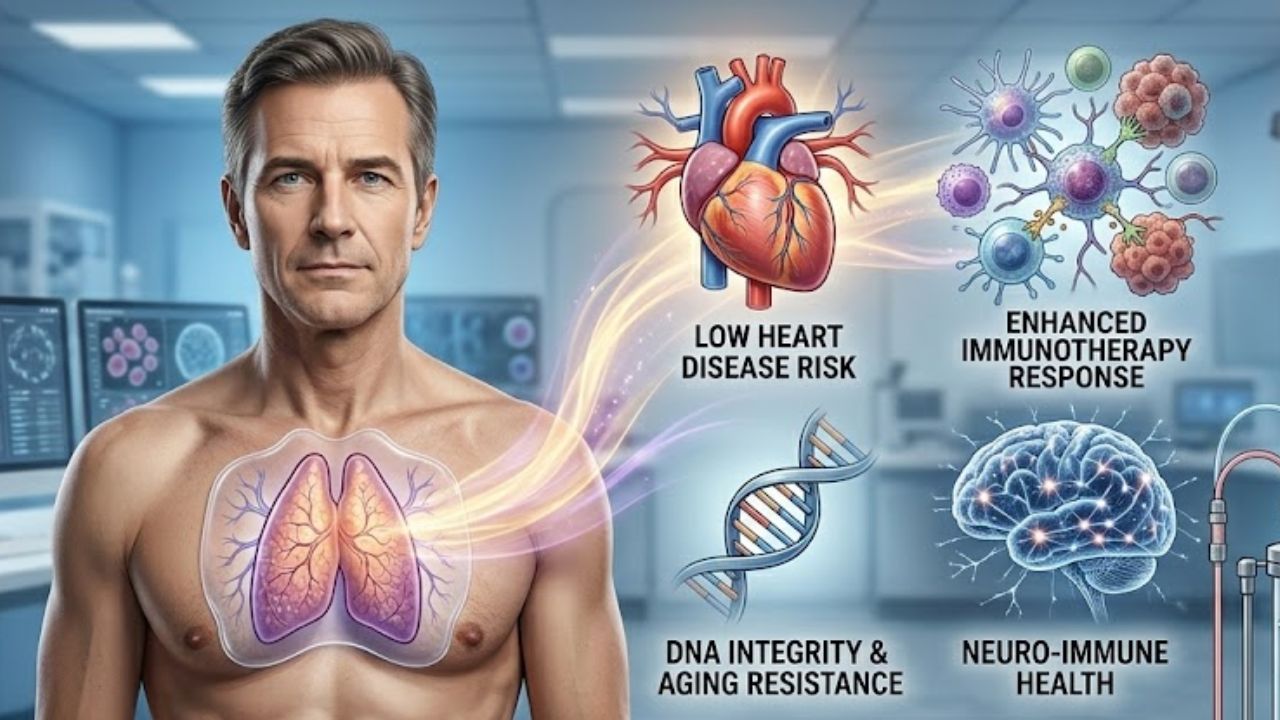
For decades, the thymus has been one of the most overlooked organs in the human body. Located behind the breastbone, it was long considered useful only in childhood, helping build the immune system before slowly shrinking into fatty tissue during the teenage years. But new research is challenging that assumption and suggesting the thymus may play a far greater role in long-term health than previously understood.
From Forgotten Organ to Key Immune Player
The thymus is responsible for training T cells, which are essential components of the immune system. These cells learn how to recognize harmful invaders like viruses while avoiding attacks on the body’s own tissues. Without a properly functioning thymus, the immune system can become unbalanced, leading to serious health issues.
For years, scientists believed the organ became mostly inactive after early life. However, recent studies suggest its decline may be closely tied to aging, immune strength, and disease risk throughout adulthood.

New Research Links Thymus Health to Longevity
Recent large-scale studies using medical imaging and patient records have revealed surprising patterns. People with healthier thymus tissue appear to have lower risks of cancer, heart disease, and overall mortality. Some research even shows that individuals with stronger thymus function respond better to cancer immunotherapy treatments.
These findings have led scientists to rethink whether the thymus is simply a passive organ or an active regulator of immune health across the lifespan. While researchers caution that correlation does not prove causation, the results are strong enough to spark major scientific interest.
What Happens When the Thymus Declines
One of the most striking discoveries comes from studies involving patients who had their thymus removed during surgery. These individuals showed higher rates of cancer, autoimmune conditions, and overall mortality compared to those who kept the organ. This raises important questions about how much protection the thymus may still provide in adulthood.
Researchers are now exploring why the organ shrinks so dramatically after puberty and whether that process can be slowed or reversed. The possibility that thymus decline contributes to aging is gaining attention in the medical community.
Future Possibilities in Medicine
Scientists are beginning to explore ways to restore or regenerate thymus function. Some are working on lab-grown thymus tissue that could one day help transplant patients reduce their need for strong immune-suppressing drugs. Others are investigating whether boosting thymus activity could improve vaccine responses, reduce autoimmune disease risk, or enhance cancer treatments.
While these ideas are still in early stages, they reflect a growing belief that the thymus may hold important clues about how the immune system changes with age.
Final Thoughts
The thymus is quickly moving from an overlooked organ to a central topic in aging and immune research. Although many questions remain, emerging studies suggest it may play a much larger role in long-term health than once believed. As science continues to explore its function, the thymus could become a key focus in understanding aging, disease resistance, and human longevity.
