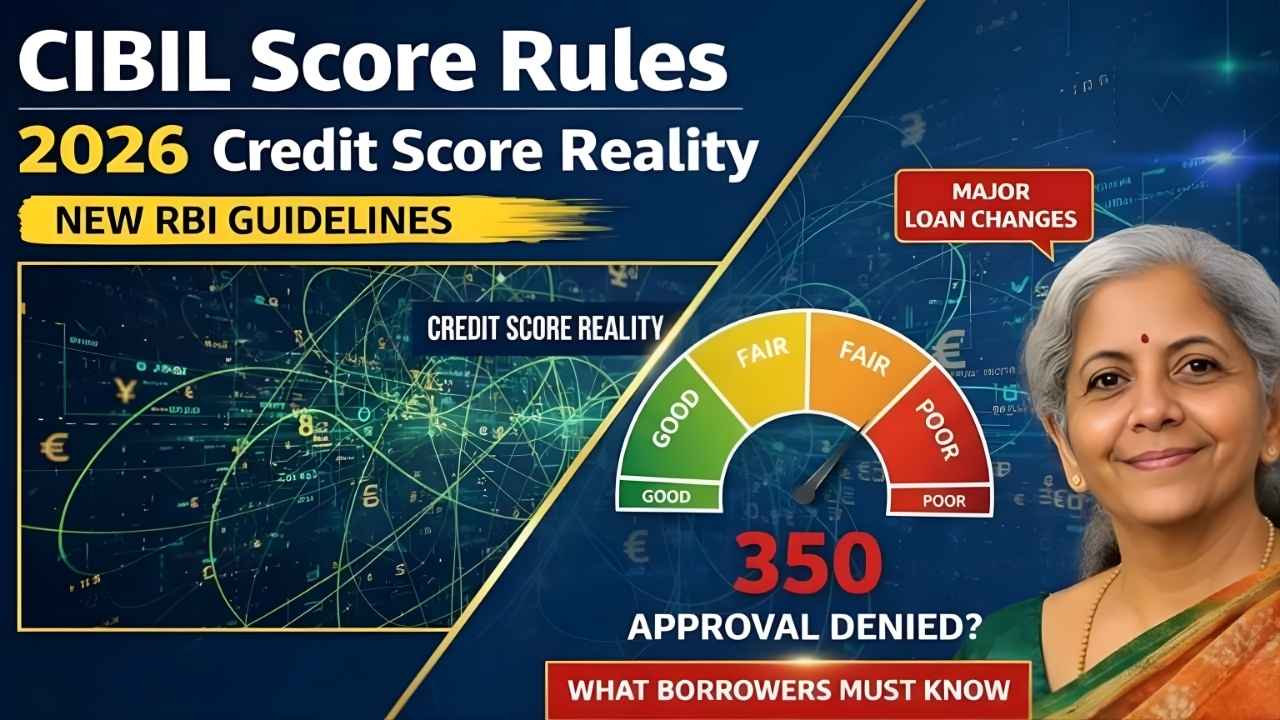
In 2026, credit scores are becoming more dynamic and transparent than ever before. Under the revised framework introduced by the Reserve Bank of India, borrowers will see faster updates, clearer reporting standards, and stronger safeguards against errors. The changes are designed to ensure that credit behavior is reflected accurately and without unnecessary delays.
For millions of Indians, a CIBIL score is the foundation of financial access. Whether applying for a home loan, car loan, or credit card, lenders rely heavily on this three-digit number to assess risk. With the updated rules, borrowers now have greater control and clearer insight into how their financial actions shape their credit profile.
Real-Time Reporting Brings Faster Score Updates
One of the most significant shifts in 2026 is the push toward real-time or near real-time reporting. Banks and NBFCs are now required to submit repayment data promptly to credit bureaus. This means timely EMI payments and cleared credit card dues can positively impact your score much faster than before.
Previously, delays in reporting sometimes meant borrowers had to wait weeks to see improvements. Under the new structure, disciplined repayment behavior is recognized without lag, allowing responsible borrowers to benefit sooner when applying for new credit.
Uniform Standards for Accurate Credit Data
The Reserve Bank of India has implemented standardized guidelines that all lending institutions must follow. These rules ensure consistency in how loan accounts, repayments, defaults, and settlements are recorded.
Borrowers now have better visibility into the components affecting their score. Clear reporting formats reduce confusion, while dispute mechanisms are being strengthened to resolve inaccuracies quickly. If an incorrect late payment or outdated default appears, lenders are obligated to correct it within a defined timeframe.

This move enhances trust across the credit ecosystem and protects individuals from long-term damage caused by reporting mistakes.
Payment Discipline Matters More Than Ever
Even with technological upgrades, the core principle remains unchanged: timely payments are crucial. Paying EMIs and credit card bills before the due date continues to carry the highest weight in credit scoring.
Under the new rules, missed payments are also reflected promptly. This dual effect means financial discipline is rewarded quickly, but lapses are recorded just as fast. Borrowers must therefore remain consistent in managing obligations to maintain a strong profile.
A score above 750 still places individuals in a favorable position for loan approvals and competitive interest rates. Maintaining that benchmark requires steady and responsible repayment habits.
Credit Utilization and Smart Borrowing
Another important factor highlighted under the 2026 framework is credit utilization. Using a high percentage of your available credit limit can lower your score, even if payments are made on time.
Financial experts generally recommend keeping utilization below 30 percent of your total limit. The updated reporting standards make this metric clearer in credit reports, helping borrowers understand how their spending patterns influence ratings.

Spreading balances wisely and avoiding maxed-out cards can significantly strengthen overall credit health.
Managing Loan Applications Carefully
Frequent loan applications within a short period can trigger multiple hard inquiries, which may temporarily reduce your score. Under the revised system, these inquiries are clearly documented, giving borrowers better insight into how often their credit profile is being accessed.
Spacing out applications and applying only when necessary can prevent unnecessary score drops. Thoughtful credit planning is now more important than ever in a system that updates quickly and transparently.
Faster Error Resolution Protects Borrowers
Mistakes in credit reports have long been a source of stress for borrowers. The 2026 guidelines place strict responsibility on lenders to resolve disputes within specified timelines. Incorrect entries, outdated records, or wrongly marked defaults must be corrected promptly.
Regularly reviewing your credit report is a smart habit. With faster correction mechanisms in place, borrowers can protect their financial reputation and avoid loan rejections due to reporting errors.
Building a Strong Credit Future
The 2026 changes are not just regulatory adjustments; they represent a broader shift toward fairness and accountability. Borrowers who pay on time, maintain low debt levels, and monitor their reports will see tangible benefits.

Real-time updates, uniform reporting, and quicker corrections make the system more balanced. Instead of being penalized by delays or inaccuracies, disciplined individuals can move forward with confidence when seeking new credit opportunities.
Final Verdict
The RBI’s 2026 CIBIL score reforms mark a major step toward transparency and borrower protection. With real-time updates, standardized reporting, and stronger dispute mechanisms, the credit system is becoming more responsive and reliable. Those who practice timely repayments, manage utilization wisely, and track their credit reports regularly will enjoy smoother approvals, better interest rates, and long-term financial stability.
